
ICT Training and Education: Account Owner Use Cases and Value Propositions
This page provides plan administrator-ready, account owner-facing use cases and value propositions you can use when discussing how 529 plans may relate to workforce-focused information and communications technology (ICT) education and training.
Important Note: 529 rules and qualified expenses can vary by state and by individual plan. This content is for educational purposes only and is not financial, legal, or tax advice.
How ICT Aligns With Workforce Demand
Within ICT, communications infrastructure roles support the networks and connected systems organizations rely on every day.
Labor Market Snapshot (U.S.)

The Bureau of Labor Statistics projects strong growth in telecommunications careers from 2024 to 2034, including 8.6% growth in wireless infrastructure roles and 12% growth in network architecture, with median annual wages ranging from about $80,000 to over $130,000.
Federal labor data also link long-term workforce need to building new networks, upgrading existing ones, and maintaining connected systems as technology changes and infrastructure expands.
Factors Driving Demand in ICT
Demand for ICT talent is not driven by a single trend. It is sustained by overlapping forces that keep networks, data environments, and connected systems in constant build, upgrade, and maintenance cycles:
- Digital environments keep expanding: Organizations continue adding connected tools, platforms, devices, and services, which increases the need for reliable networks and system integration.
- AI and cloud growth increase modernization pressure: AI and cloud adoption drive modernization and IT network upgrades across industries.
- Data centers are scaling: Global data center electricity consumption is projected to more than double by 2030, with AI the most important driver, reinforcing the pace of capacity expansion and upgrades.
- Security and reliability expectations keep rising: As systems become more connected and business-critical, the tolerance for downtime and misconfiguration drops, raising the value of disciplined design and execution.
Why ICT Belongs in 529 Education Conversations Now
Many people still associate 529 plans, or Qualified Tuition Programs (QTPs), primarily with college savings. As federal rules have expanded what may count as qualified expenses, more people are asking whether workforce-focused education and training can fit within their plan. IRS Topic 313 reflects this broader set of categories, including expenses for registered apprenticeship participation and certain qualified postsecondary credentialing expenses, among others. Plan leaders have also publicly linked 529 growth to workforce conditions, including employers struggling to find workers with technical skills needed in today’s workforce.
You can provide clear, plan-neutral education that helps account owners connect savings decisions to real-world outcomes. ICT is a strong example because it maps naturally to skills-based pathways account owners already ask about: training, apprenticeship participation, credentialing, and required tools and technology.


How BICSI Helps Kickstart ICT Careers

BICSI® supports ICT workforce education with learning pathways that support job-ready skills.
BICSI’s program model, known as the program triangle, connects three components that work together to support workforce readiness with standards as the foundation for it all: publications, education & training, and certification.
529 Toolkit - How BICSI Can Help
-
Publications
Provide the technical foundation and best practices used to design, install, and manage ICT systems.
-
Education & Training
Involves training that helps learners apply knowledge through workforce-focused instruction aligned to real project needs.
-
Certifications
Validate competency through an exam-based process, supporting professional credibility and continued development. Exam content is based on a Job Task Analysis (JTA) and exams are maintained through ongoing review processes, supported by subject matter expert volunteers, to help ensure relevance and fairness of exam content.
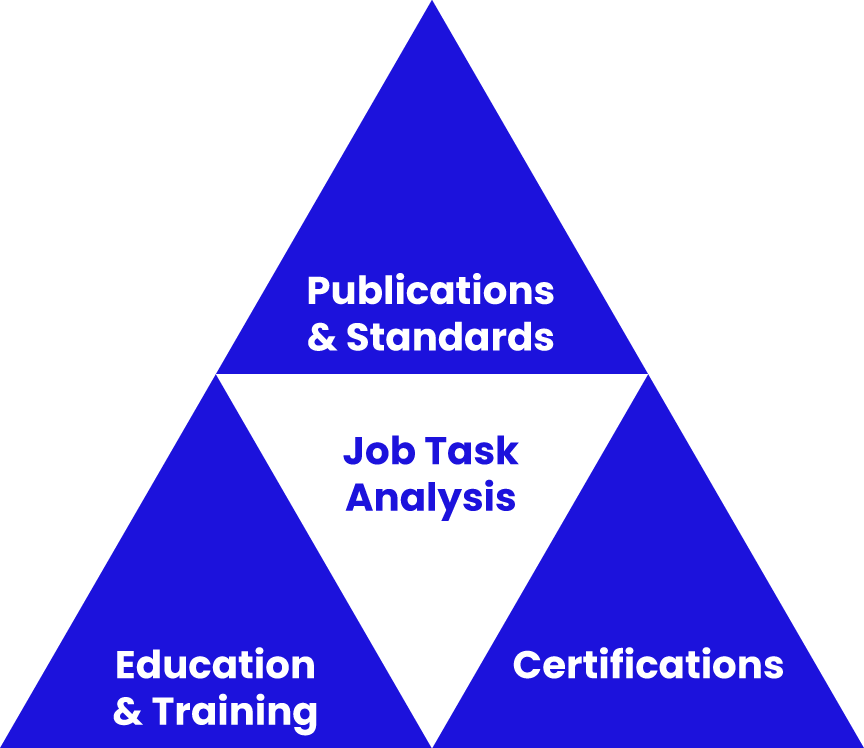
Standards * (Publications + Education & Training + Certifications) = validated skills that can be used on the job.
Use Cases and Value Propositions (Plan-Neutral, Account Owner-Facing)
Use the use cases below as a shared set of talking points to keep explanations consistent across teams and channels. They are designed to support clear account owner education, reduce confusion around eligibility and documentation, and help account owners connect workforce-focused training decisions to real-world career outcomes, without making eligibility promises. Plan terms and documentation rules drive the account owner experience.

Additional Resources
- What Is ICT?
- BICSI Career Center
- BICSI Learning Academy
- IRS: 529 plans, questions and answers
- IRS Topic No. 313: Qualified Tuition Programs (QTPs)
- IRS Publication 970: Tax Benefits for Education
- O*NET OnLine: Telecommunications Line Installers and Repairers
- O*NET OnLine: Telecommunications Engineering Specialists
- O*NET OnLine: Telecommunications Equipment Installers and Repairers, Except Line Installers
- Congress.gov CRS: Tax-Preferred College Savings Plans (529 Plans)