
529 Plans and Workforce-Focused ICT Education
This page is an introductory guide for students and early career explorers, and the parents or guardians helping them plan. It explains how to fund in-demand information and communications technology (ICT) career pathways and how 529 plans may be used for qualified education and training expenses, plus what to ask as you compare pathways, costs, and timelines.
One Important Note: 529 rules and qualified expenses can vary by state and by individual plan. This content is for educational purposes only and is not financial, legal, or tax advice.
What’s New With 529 Plans
529 plans were once thought of as “college savings.” Over time, federal rules expanded what may count as qualified expenses, which is why 529 plans may come up in conversations about workforce-focused education and training.

A Few Things to Keep in Mind
- Not all plans treat expenses the same way.
- State rules and state tax treatment may differ even when a category is allowed at the federal level.
- Before you enroll, pay, or buy equipment, confirm details with the account owner and plan administrator.
- Each 529 plan account has one designated beneficiary.
Eligible Expenses, at a Glance
At a high level, qualified expense categories may include:
- Tuition and required fees at eligible educational institutions
- Required books, supplies, and equipment
- Room and board for eligible postsecondary students
- Fees, books, supplies, and equipment required for participation in a registered apprenticeship program
- Certain qualified postsecondary credentialing expenses
- K-12 tuition
- Student loan repayment
- Computer equipment, software, internet access, and related services
Please Note: This list is not exhaustive, and eligibility can vary by plan and state. Examples are not guarantees. Your plan administrator is the best source for the specifics.
How 529 Funds Are Paid Out
A 529 plan can pay qualified expenses in different ways. A distribution may be paid to the account owner, to the beneficiary, or directly to an eligible educational institution, depending on how the withdrawal is made.
Before you spend money, confirm these four things:
- How the expense will be paid: Will the account owner pay directly, will the plan send funds to the school, or will the account owner request a distribution and then pay the expense?
- What documentation is required: Do you need proof of enrollment, invoices, receipts, or plan-specific forms?
- Timing: Does your plan require the expense to occur during enrollment or within a specific time window?
- If you’re reimbursing: If someone pays first and is reimbursed later, confirm the process and typical timeline.
ICT Skills Are in High Demand
ICT supports the networks and systems used across industries. Because technology evolves quickly, many pathways for ICT roles like cabling installers, designers, technicians (fiber optic and copper), data center designers, and project managers emphasize hands-on learning, practical skills, ongoing training, and validated credentials.
For families comparing options, ICT pathways can be especially appealing because they often offer clear skill milestones and faster timelines to job-ready capability than degree-only routes.
Demand is strong and steady. The Bureau of Labor Statistics projects strong growth in telecommunications careers from 2024 to 2034, including 8.6% growth in wireless infrastructure roles and 12% growth in network architecture, with median annual wages ranging from about $80,000 to over $130,000.


Factors Driving Demand
Demand for ICT professionals is not driven by a single trend. It’s the overlap of more connected systems, more infrastructure change, and ongoing replacement needs that keeps demand strong.
How BICSI Can Help You Get Started in ICT

BICSI® supports ICT workforce education with learning pathways that support job-ready skills. BICSI’s program model, known as the program triangle, connects three components that work together to support workforce readiness with standards as the foundation for it all: publications & standards, education & training, and certification.
529 Toolkit - How BICSI Can Help
-
Publications
Provide the technical foundation and best practices used to design, install, and manage ICT systems.
-
Education & Training
Involves training that helps learners apply knowledge through workforce-focused instruction aligned to real project needs.
-
Certifications
Validate competency through an exam-based process, supporting professional credibility and continued development. Exam content is based on a Job Task Analysis (JTA) and exams are maintained through ongoing review processes, supported by subject matter expert volunteers, to help ensure relevance and fairness of exam content.
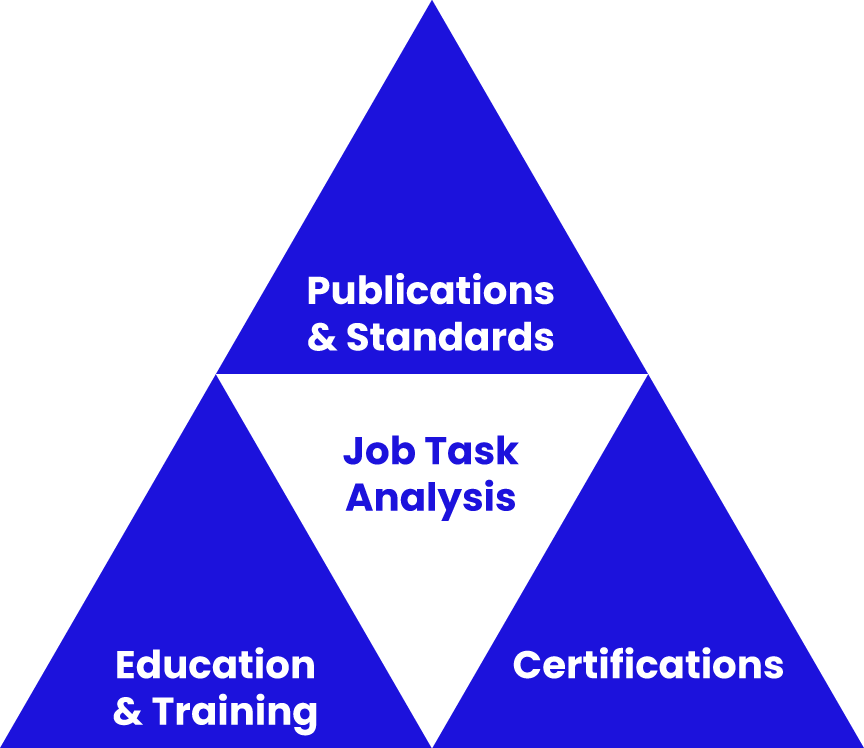
Standards * (Publications + Education & Training + Certification) = validated skills that can be used on the job.
Questions to Ask Your Plan Administrator
- Is this ICT program treated as an eligible educational institution or a recognized postsecondary credential program?
- Which ICT-related costs does the plan treat as qualified: tuition, fees, books, supplies, equipment, testing fees, software, or internet access?
- If the pathway includes certification or credential exam costs, how does the plan determine whether the provider or program is likely to qualify?
- If the pathway includes apprenticeship, does the program need to be a registered apprenticeship, and how should that be verified?
- What documentation and timing rules apply if reimbursement is requested for this ICT pathway?

Glossary: Key Roles and Terms
Start here if you’re new to 529 plans or education planning.
529 plan / QTP (Qualified Tuition Program): A tax-advantaged plan operated by a state or eligible educational institution to help save for qualified education expenses.
Account owner / custodian: The person who controls the 529 account and authorizes withdrawals (often a parent, guardian or grandparent, and sometimes the student).
Beneficiary: The student the account is intended to support.
Documentation / reimbursement: Some plans require receipts, invoices, proof of enrollment or other documentation to reimburse you for qualified expenses.
Eligible educational institution: Generally, a postsecondary school eligible to participate in federal student aid programs (Title IV).
Form 1099-Q: The tax form used to report distributions from a 529 plan. It shows the total amount withdrawn and the earnings portion, and it is issued to whoever receives the distribution.
Plan administrator: The organization that administers the plan and sets plan-specific rules, forms and documentation requirements.
Qualified education expenses: Costs that a 529 plan may treat as eligible for tax-advantaged withdrawals, based on federal rules and the plan’s terms.
State tax treatment: How your state treats contributions or withdrawals for state tax purposes; it can differ even when a category is allowed at the federal level
Additional Resources
- What Is ICT?
- BICSI Career Center
- BICSI Learning Academy
- IRS: 529 plans, questions and answers
- IRS Topic No. 313: Qualified Tuition Programs (QTPs)
- IRS Publication 970: Tax Benefits for Education
- O*NET OnLine: Telecommunications Line Installers and Repairers
- O*NET OnLine: Telecommunications Engineering Specialists
- O*NET OnLine: Telecommunications Equipment Installers and Repairers, Except Line Installers
- Congress.gov CRS: Tax-Preferred College Savings Plans (529 Plans)